SIP / ONVIF network speakers and the SIP-200 platform software. One Ethernet cable carries power, audio and control — no 100V line, no local PSU.
EASTVO manufactures 18 models in this range. Specifications below are the ones specified most often on tenders; full data sheets are available per model. For a project point schedule, send a floor plan to sales@eastvopa.com.
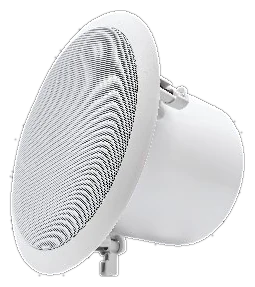
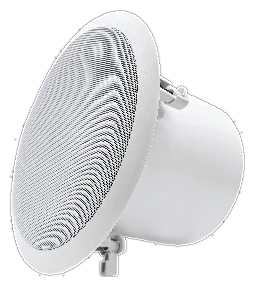
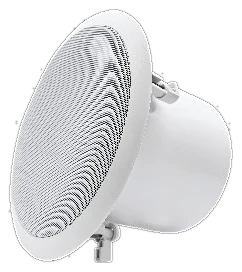
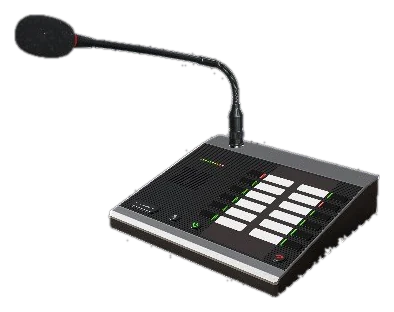
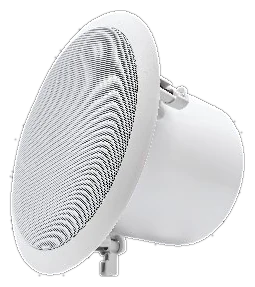
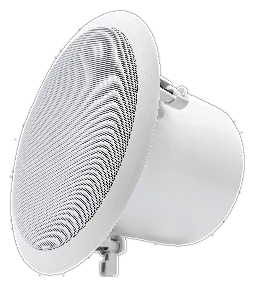
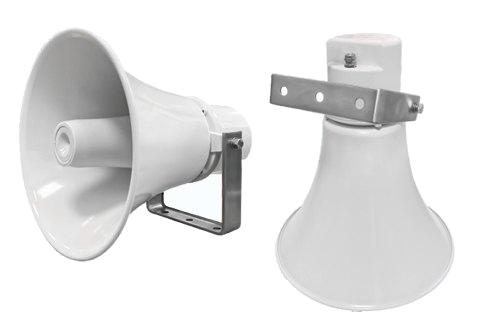
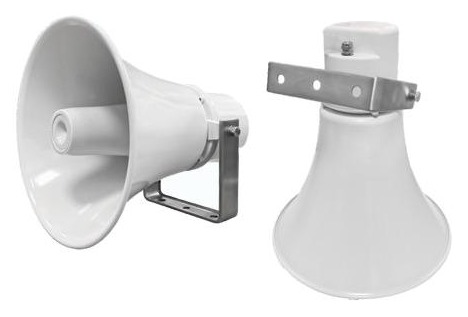
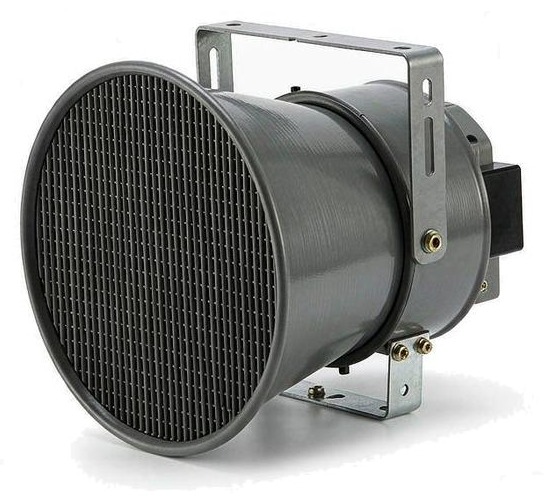
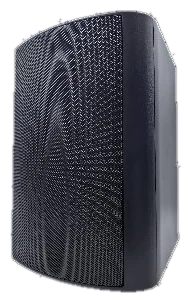
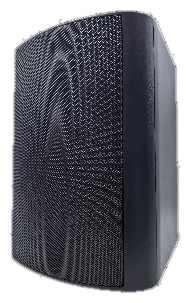
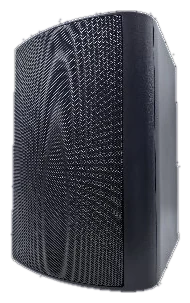
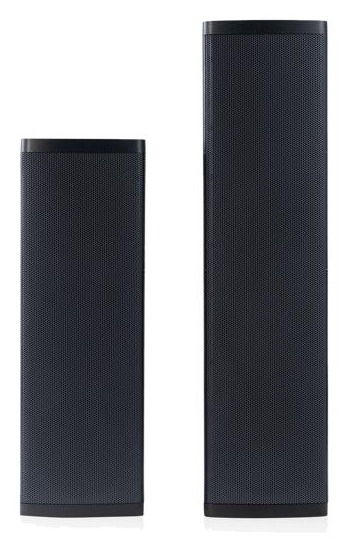
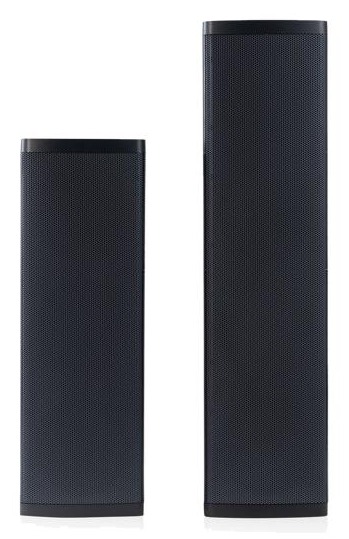
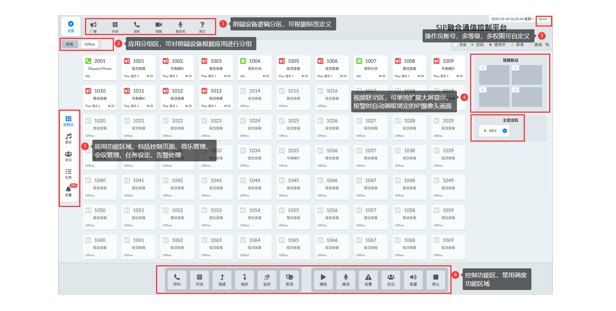
A SIP network speaker takes PoE (IEEE 802.3af or 802.3at) from the network switch, so one Ethernet cable carries power, audio and control. There is no 100V line and no local power supply at the speaker, which is what removes the cable runs and the PSU boxes from the installation.
Yes. They use standard SIP and register either to the EASTVO SIP-800 platform or to a third-party IP-PBX. Zones, schedules and school bells are configured on the platform, not on the individual speaker, so the same speaker can be re-purposed by changing a setting.
The SIP platform is rated for up to 4000 endpoints. Sites normally start with one control room and a few zones, and add speakers to the network as further buildings are built out — the controller does not have to be replaced when the site grows.
ONVIF is supported across the network range for integration with video and alarm platforms. Dante versions are available on selected ceiling, wall and column models where the site already runs a Dante audio network instead of SIP.
The platform exposes an alarm API and a priority stack. An alarm signal interrupts background music and scheduled bells, and pushes the evacuation message to the zones mapped to that alarm before any other audio is allowed to play.
