Active Bluetooth loudspeakers with the amplifier built in — pair a phone or a source box and play, no mixer amp on site.
EASTVO manufactures 25 models in this range. Specifications below are the ones specified most often on tenders; full data sheets are available per model. For a project point schedule, send a floor plan to sales@eastvopa.com.
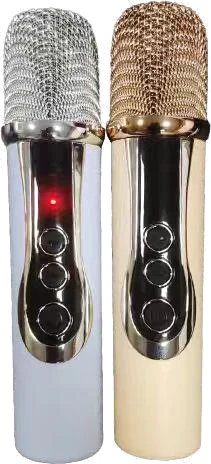
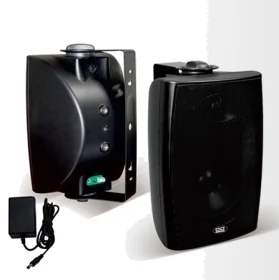
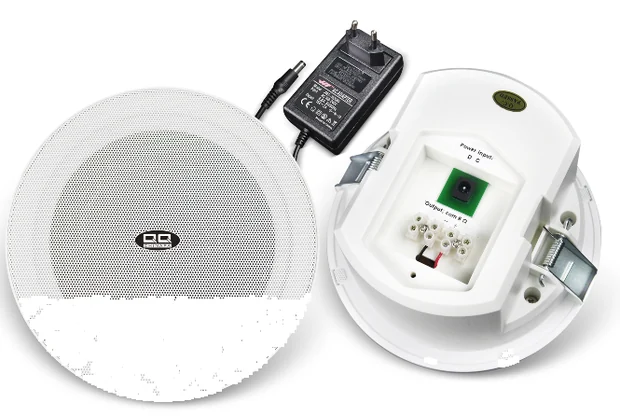
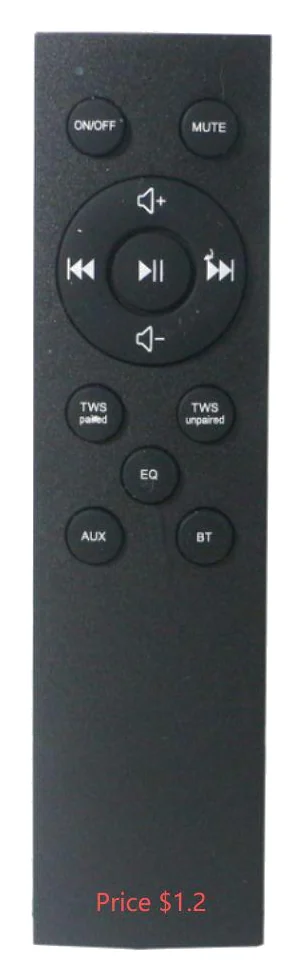
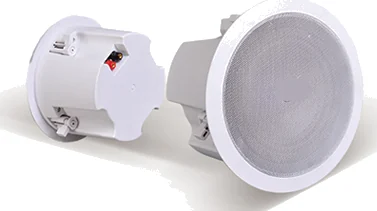
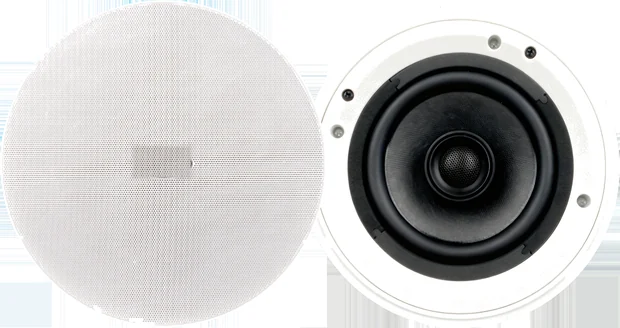
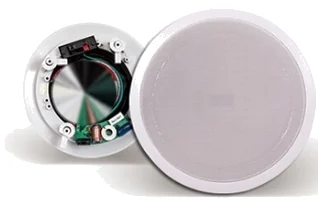
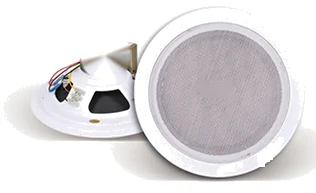
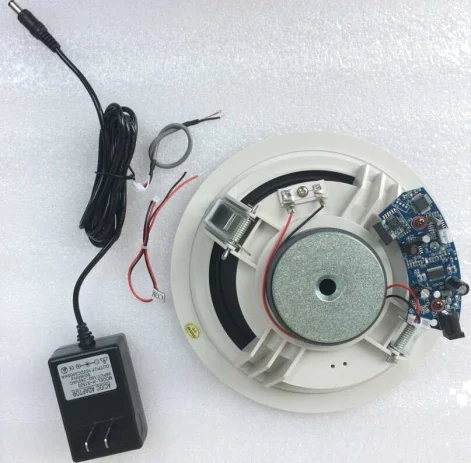
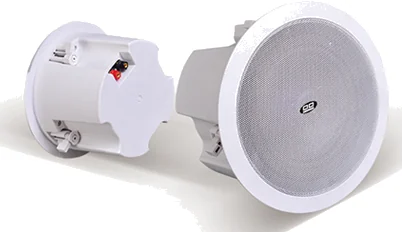
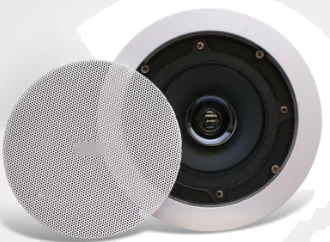
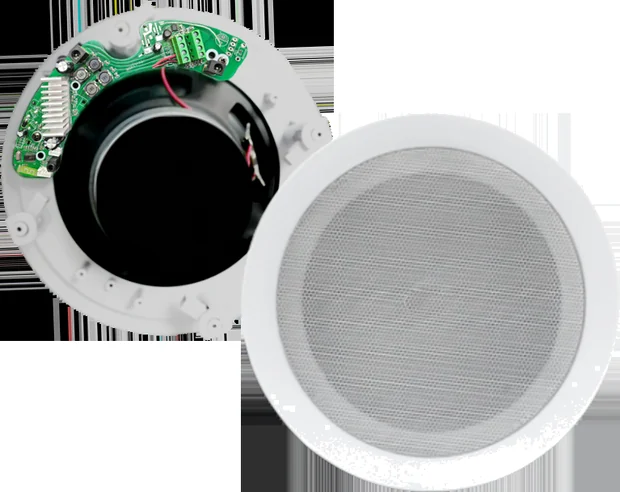
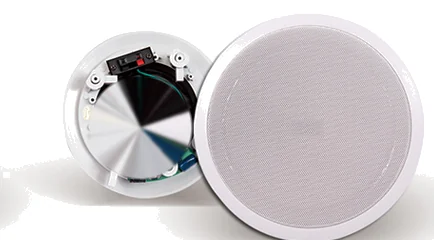
No. The amplifier is built into the cabinet, so a phone, tablet or source box pairs directly with the speaker. There is no mixer amplifier in a rack and no speaker cable to run back to a technical room, which is why these units are used where a fixed PA is impractical.
Twenty-five active models with 4 to 8 inch drivers, sized for background music and speech in shops, cafes, meeting rooms and training spaces. The larger cabinets carry more low-end, the smaller ones are chosen where the speaker has to disappear into a shelf or a ceiling void.
No. An active Bluetooth speaker is a point solution for one room or one zone, played from a local source. Where you need scheduled bells, zone paging and fire-linked evacuation, use the SIP network range or a 100V line system with a mixer amplifier.
The range is aimed at indoor commercial spaces. For permanent outdoor coverage choose the IP-rated horn and garden loudspeakers, which are built for rain, dust and temperature swings; for a short-term site, an active speaker indoors is the simpler answer.
An EB active Bluetooth speaker plays from a local Bluetooth source and needs no network at all. A SIP speaker sits on the LAN, takes PoE and is driven from a central platform, so it can be scheduled, zoned and tied to an alarm. One is a room device, the other is a system endpoint.
